
If you wear work boots 8–12 hours a day, your feet take a beating. That’s because work boots are built to protect your feet, not support them. The right insoles for work boots reduce fatigue, improve stability, and provide the supportive comfort your boots are missing.
Many workers go in search of the best work insoles they can find after struggling with foot fatigue, heel pain and plantar fasciitis. Heavy boots can also magnify the strain of minor alignment issues, leading to knee pain and back pain.
But what does a pair of work boot inserts need in order to address these issues?
In this post we’ll discuss the key elements of what makes an effective insole for work boots, and why SOLE footbeds are built for demanding work environments.

Why You Need Insoles for Work Boots
Work boots are rugged, rigid and heavy. They’re designed to protect your feet from the outside, but don’t address the risk of internal injury and fatigue.
1. Factory insoles lack arch support
Most work boots come with basic foam inserts that flatten quickly. Long shifts on your feet cause fatigue in your arch and your plantar fascia, the connective tissue that supports your foot’s structure. Proper work boot arch support helps reduce this fatigue to prevent pain.
2. Standing on concrete all day
If you’re working on warehouse floors, construction slabs, or industrial surfaces, impact shock travels directly through your heels and joints. The right insoles for standing all day can help optimize your body’s natural ability to absorb shock.
3. Steel toe and composite toe boots add stress
Steel toe boots are rigid and heavy. Without supportive insoles for steel toe boots, your feet absorb more stress during long shifts.
With all this in mind, it might be tempting to add as much cushioning to work boots as possible, but a good work boot insole isn’t about softness. The key is to offer your feet the structural support they need to prevent fatigue, and provide a stable base for your body through long shifts.
What to Look for in the Best Insoles for Work Boots
Not all work insoles perform the same. Here’s what separates high-performance insoles from disposable foam inserts.
Insoles with reliable arch support (not just cushioning).
The best insoles for work boots provide structured arch support that helps the feet carry their load. With each step, the foot’s arch transfers energy from heel to toe, absorbs impact shock, and maintains proper alignment in the foot.
Structured arch support helps the foot transfer energy efficiently, as well as helping to reduce strain placed on the foot’s most important structural tissue: the plantar fascia. This is especially important for people dealing with heel pain or plantar fasciitis.
Insoles with a deep heel cup.
A deep heel cup cradles the heel in place, working with the structured arch support to promote stability and neutral alignment in your work boots. This helps prevent biomechanical issues like overpronation that cause excess strain on your joints and can lead to knee pain and back pain.
A deep heel cup also supports the heel’s fatty tissue beneath the bone, optimizing the body’s natural shock absorption while you walk.
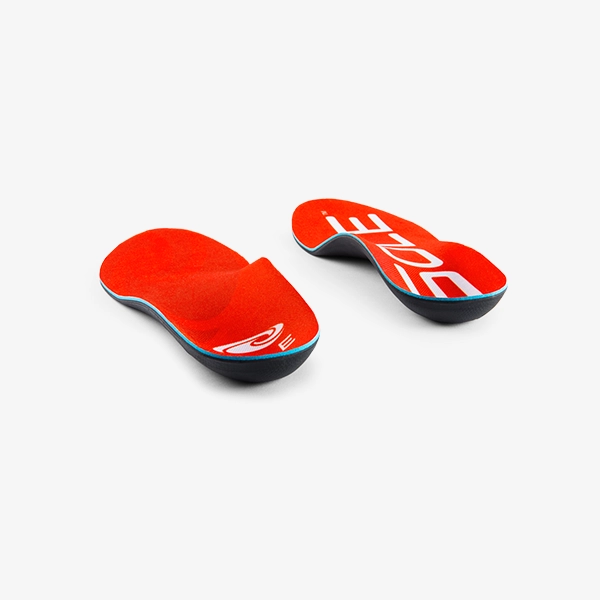
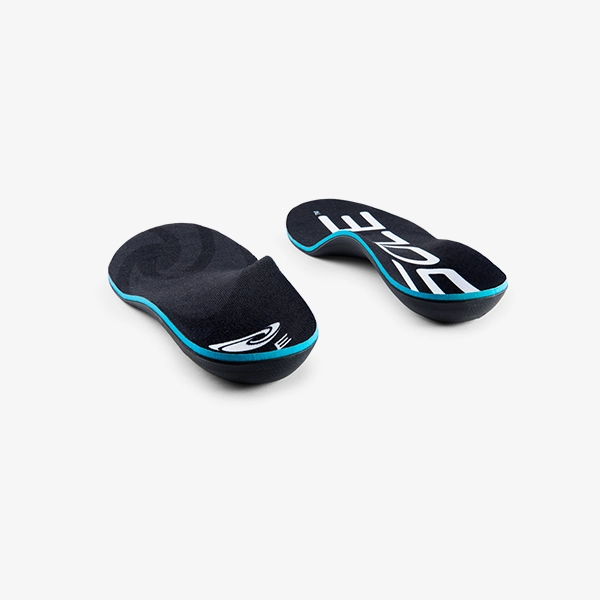
SOLE footbeds all feature the SOLE Signature Supportive Shape. This includes industry-leading arch support that’s clinically proven to reduce plantar fascia strain by an average of 34%, as well as a deep heel cup.
Insoles for concrete floors: shock absorption that lasts.
Walking thousands of steps for work is unforgiving, especially if you’re walking on hard surfaces like concrete.
Quality insoles for work on concrete floors will supplement your body’s natural ability to absorb shock impact by offering a layer of high-quality, durable cushioning.
You need cushioning that won’t compress within a short period of time, but rather keep bouncing back. The best for this is open-cell foams, layered on top of a durable, stable base that won’t wear through over time.
SOLE Medium and Thick footbeds feature a layer of the highest-quality, durable open-cell foam called Softec.
Heat-moldable custom fit work insoles.
No two feet are identical. Custom moldable work insoles adapt to your unique feet to increase how effective they are in general.
SOLE footbeds custom mold to your feet either by wearing them for a few days, or by heat molding them in a simple process using your oven at home. Once molded to your feet, the arch of the insole stays in even contact with your foot, helping the arch support work more effectively.
A heat molded insole also helps distribute pressure evenly across the foot, preventing hot spots and pressure points in your work boots.
When it comes to working long shifts, having a custom fit can make all the difference. A prescription orthotic can cost more than $500, but custom molded SOLE footbeds offer a similar level of personalized support for a tenth of the price.
Durable work insoles for heavy use.
The best work insoles maintain their structure under repeated load. Look for materials that resist compression and hold their shape for months or years — not days.
This means high-quality base materials, not just layers of foam with a thin plastic shank added for support.
Moisture management and odor control.
Each of your feet has around 125,000 sweat glands. Look for an insole that will wick moisture away from the surface of your feet. It’s also great to have some sort of odor management built-in.
SOLE footbeds all feature a moisture-wicking synthetic topsheet that’s treated with Polygiene Stayfresh. This compound prevents the growth of odor-causing bacteria to help stop your work boots from getting stinky.
Best Overall Insoles for Work Boots in 2026
SOLE Active Medium or Thick
SOLE Active footbeds are designed for all-day wear in demanding conditions. They feature a super-durable EVA base and three different levels of thickness.
Why they’re ideal work insoles:
- Heat-moldable for a personalized fit
- Structured arch support that won't collapse
- Deep heel cup for stability
- Moisture-wicking, odor-controlling top layer
- Built for long-term durability
Choose Active Medium if:
You want balanced support without taking up too much space in your boots.
Choose Active Thick if:
You need maximum cushioning for concrete floors or heavier body weight.
Unlike memory foam inserts, SOLE footbeds don’t flatten quickly — making them a strong long-term solution for people who rely on their boots daily.
Best Insoles for Steel Toe Work Boots
SOLE Active Medium
Steel toe boots restrict natural flexion and add weight. Without proper insoles, this can increase arch strain and heel pain.
Active Medium footbeds help prevent foot fatigue in your steel toe boots while offering stability and improving the fit of your boots. With the footbed added to your boot it’s like the difference between sitting on a park bench or in an ergonomic office chair.
Active Medium provides enough rebounding cushioning to absorb impact, while still leaving enough space between your toes and the toe cap.
The Best Insoles for Work Boots and Plantar Fasciitis
SOLE Active Medium or Active Thick
Many workers develop plantar fasciitis due to prolonged standing and inadequate arch support.
The best plantar fasciitis insoles for work should support the arch to reduce strain on the plantar fascia, stabilize heel alignment and distribute pressure evenly within the boot.
Because SOLE Active Medium and Active Thick footbeds mold to your foot shape, they improve arch contact and reduce excessive movement that can contribute to heel pain.
If you’re experiencing persistent heel discomfort at work, upgrading your insoles is often the first step.
How Long Do Work Boot Insoles Last?
Durability of any insole depends on intensity of use, hours worn, and your body weight.
Under heavy daily use, low-quality insoles may flatten within weeks. Premium insoles designed for work environments typically last several months to a year.
If your arch support feels flat, you’re experiencing increased foot fatigue, you feel your pain returning, or there’s visible compression in the insole, it’s probably time for a fresh pair.
Some SOLE customers might have to replace their footbeds every few months, while others will wear the same pair of footbeds for years before replacing them.
Are Work Insoles Worth It?
If you spend 40+ hours per week in work boots, upgrading your insoles can significantly improve comfort and support, and thereby improve your overall enjoyment of your job.
Ending your day without aching feet can be the difference between looking forward to going to work the next day or not. Overall, in all the gear you buy for work, we consider insoles to be one of the best investments you can make in your overall job satisfaction.
Upgrade Your Work Boots with Support That Lasts
Factory inserts are temporary. Structured support is built to last.
If you’re searching for the best insoles for work boots, choose a solution designed for long shifts, hard floors, and heavy use.
Explore SOLE heat-moldable footbeds and experience the difference real arch support makes on the job.